
Understanding the Immuno-Neuro-Metabolic Axis
The science behind how your immune system, nervous system, and metabolism work together to influence your overall health and well-being.
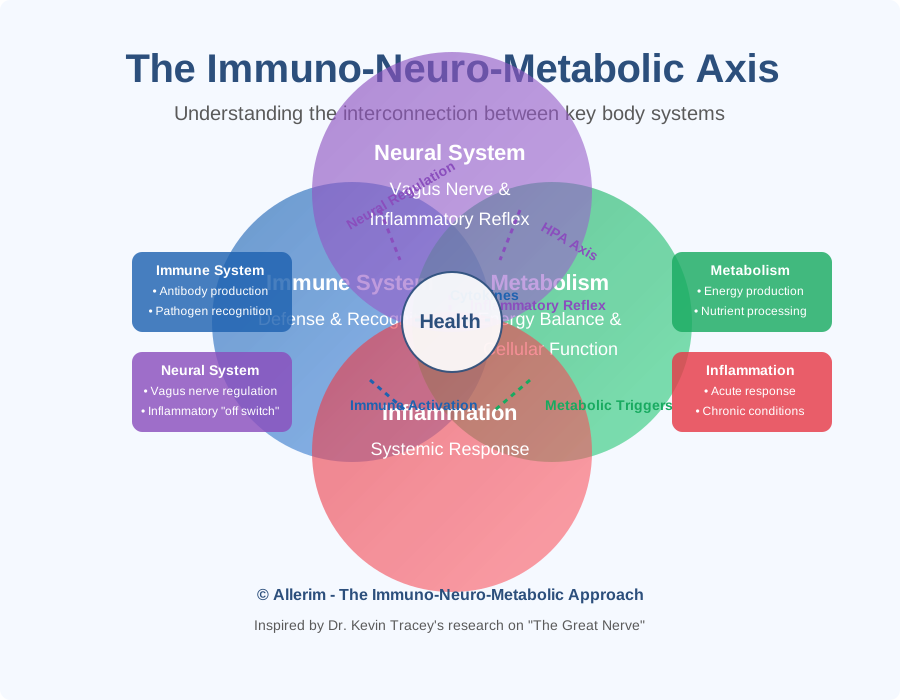
What is the Immuno-Neuro-Metabolic Axis?
Recent scientific research has revealed a profound and multidirectional relationship between our immune system, nervous system, and metabolism. This connection, known as the immuno-neuro-metabolic axis, represents one of the most important paradigm shifts in our understanding of chronic disease and inflammation.
For decades, the immune system, nervous system, and metabolism were studied as separate systems. Today, we understand that they are intricately connected, with neural pathways (particularly the vagus nerve) regulating immune responses, immune cells influencing metabolic processes, and metabolic signals regulating both neural and immune function.
At Allerim, our approach is built on this cutting-edge understanding, allowing us to address the root causes of inflammatory conditions that affect millions of people.
The Neural Connection: Dr. Kevin Tracey's Groundbreaking Work
A significant breakthrough in our understanding of this axis comes from Dr. Kevin Tracey's pioneering research on what he calls "The Great Nerve" - the vagus nerve. Dr. Tracey discovered the inflammatory reflex, a neural circuit that regulates immune responses through the vagus nerve.
The vagus nerve serves as a direct communication pathway between the brain and the immune system. When inflammation occurs in the body, the immune system sends signals to the brain through the vagus nerve. The brain processes this information and can then send signals back through the vagus nerve to regulate the immune response, essentially creating a neural "off switch" for inflammation.
This discovery fundamentally changed our understanding of how the body regulates inflammation. It demonstrated that the nervous system plays a crucial role in monitoring and modulating immune responses, adding a critical third dimension to what was previously understood as the immuno-metabolic axis.
The Three Key Components
Understanding the core elements of the immuno-metabolic axis
The Immune System
Your immune system is your body's defense network, protecting against pathogens and healing damaged tissues. It consists of specialized cells, tissues, and organs that work together to identify and neutralize threats.
Key Functions:
- Identifying and destroying pathogens
- Coordinating inflammatory responses
- Healing damaged tissues
- Developing immunological memory
- Distinguishing between self and non-self
Neural System
Your neural system, particularly the vagus nerve (what Dr. Kevin Tracey calls "The Great Nerve"), plays a crucial role in regulating inflammation through the inflammatory reflex.
Key Functions:
- Monitoring inflammation signals from the body
- Providing an inflammatory "off switch" via vagal tone
- Regulating immune cell activity
- Connecting brain and immune system communication
- Influencing systemic inflammatory responses
Metabolism
Metabolism refers to all the chemical processes that occur within your body to maintain life. These include converting food into energy, eliminating waste, and building the molecules your body needs to function.
Key Functions:
- Energy production and utilization
- Nutrient processing and absorption
- Cellular growth and repair
- Hormone production and regulation
- Waste elimination
Inflammation
Inflammation is your body's response to injury or threats. While acute inflammation is vital for healing, chronic inflammation can lead to tissue damage and is associated with numerous health conditions.
Key Functions:
- Protecting tissues from damage
- Eliminating pathogens and damaged cells
- Initiating the healing process
- Signaling between immune cells
- Recruiting cellular resources to affected areas
How These Systems Interact
Understanding the critical relationships between neural regulation, immune function, metabolism, and inflammation
The Neural-Immune Connection
Dr. Kevin Tracey's groundbreaking research revealed that the vagus nerve ("The Great Nerve") serves as a direct communication pathway between the brain and immune system.
Through the "inflammatory reflex," the vagus nerve can detect and respond to inflammatory signals, acting as a neural "off switch" for excessive immune responses.
This discovery has revolutionized our understanding of how the nervous system monitors and regulates inflammation throughout the body, providing new therapeutic targets for inflammatory diseases.
Key Inflammatory Reflex Mechanisms:
- Vagal afferents sense inflammatory cytokines and relay signals to the brain
- Vagal efferents release acetylcholine which inhibits cytokine production
- Cholinergic signals modify immune cell gene expression
- Neural regulation provides rapid response to inflammatory triggers
The Immune-Metabolism Connection
Immune cells require energy to function properly. When activated, they undergo metabolic reprogramming to meet their increased energy demands.
Meanwhile, metabolic tissues like fat cells produce signaling molecules that influence immune function. These adipokines can either promote or suppress inflammation.
Examples of Interaction:
- Immune cells switch from oxidative phosphorylation to glycolysis when activated
- Adipose tissue releases inflammatory cytokines like TNF-α and IL-6
- Gut microbiome influences both metabolic and immune processes
- Insulin resistance is associated with chronic inflammation
The Neural-Metabolic Connection
The brain and nervous system play a critical role in regulating metabolic processes through hormone signaling, autonomic regulation, and direct neural pathways.
Neural circuits monitor and respond to metabolic states, influencing hunger, satiety, energy expenditure, and even food preferences.
Key Neural-Metabolic Pathways:
- Hypothalamic control of appetite and energy balance
- Vagal regulation of digestive processes
- HPA axis influence on glucose metabolism
- Autonomic nervous system effects on fat storage and utilization
When the Axis is Disrupted
Disruptions in the immuno-neuro-metabolic axis are associated with numerous chronic health conditions, including:
- Neural Inflammatory Disorders
When neural regulation of inflammation fails, leading to conditions like neurodegenerative diseases, depression, and chronic pain syndromes
- Autoimmune Conditions
When the immune system mistakenly attacks healthy tissues, often accompanied by neural and metabolic disruptions
- Metabolic Syndrome
A cluster of conditions including high blood pressure, high blood sugar, excess body fat, and abnormal cholesterol levels, often with impaired vagal tone
- Chronic Inflammatory Conditions
Including arthritis, inflammatory bowel disease, and allergies where neural regulation of inflammation is compromised
- Stress-Related Disorders
Where chronic stress disrupts the HPA axis and vagal tone, leading to systemic inflammation and metabolic dysregulation
Dr. Kevin Tracey and "The Great Nerve"
The revolutionary work of Dr. Kevin Tracey MD has transformed our understanding of how the brain and immune system communicate.
In the late 1990s, Dr. Kevin Tracey made a groundbreaking discovery - he identified that the vagus nerve functions as an information superhighway between the brain and immune system, capable of turning off inflammation throughout the body.
This pathway, which he named the "inflammatory reflex," revealed that the brain constantly monitors immune activity and can rapidly regulate inflammatory responses through neural signals.
Key Discoveries:
- The Inflammatory Reflex: A neural circuit that regulates immune responses and inflammation throughout the body
- Cholinergic Anti-inflammatory Pathway: How the vagus nerve uses acetylcholine to suppress cytokine production
- Neural Monitoring of Immunity: How the brain continuously senses the body's immune status
- Bioelectronic Medicine: Development of vagus nerve stimulation devices to treat inflammatory diseases
Dr. Tracey's work has opened new therapeutic avenues for treating inflammatory and autoimmune conditions by targeting the neural pathways that regulate immunity, instead of directly suppressing the immune system with medications.
"We've discovered that the brain has this amazing ability to control inflammation throughout the body - it's nature's perfect design for maintaining balance in our immune system."— Dr. Kevin Tracey
The Allerim Approach to the Immuno-Neuro-Metabolic Axis
At Allerim, our approach is built on addressing the immuno-neuro-metabolic axis as an integrated system, rather than treating isolated symptoms.

Comprehensive Testing
We use advanced diagnostic testing to identify specific immune triggers, inflammatory markers, neural function indicators, and metabolic biomarkers to create a comprehensive picture of your immuno-neuro-metabolic health.
Personalized Protocols
Using your test results and health history, we create tailored protocols designed to address the specific disruptions in your immuno-neuro-metabolic axis, including techniques that support optimal neural regulation of inflammation.
Targeted Nutrition
We focus on identifying and eliminating food triggers that disrupt your immuno-metabolic axis while incorporating nutrients that support proper immune and metabolic function.
Ongoing Support
Optimizing the immuno-metabolic axis is a journey. We provide continuous support, education, and adjustments to your protocol as your body heals and responds.
Ready to Optimize Your Immuno-Metabolic Axis?
Take the first step towards understanding and addressing the root causes of your health concerns through our immuno-metabolic approach.
Scientific References
1. Hotamisligil GS. Inflammation, metaflammation and immunometabolic disorders. Nature. 2017;542(7640):177-185.
2. O'Neill LA, Kishton RJ, Rathmell J. A guide to immunometabolism for immunologists. Nat Rev Immunol. 2016;16(9):553-565.
3. Mathis D, Shoelson SE. Immunometabolism: an emerging frontier. Nat Rev Immunol. 2011;11(2):81.
4. Buck MD, Sowell RT, Kaech SM, Pearce EL. Metabolic Instruction of Immunity. Cell. 2017;169(4):570-586.
5. Zmora N, Suez J, Elinav E. You are what you eat: diet, health and the gut microbiota. Nat Rev Gastroenterol Hepatol. 2019;16(1):35-56.